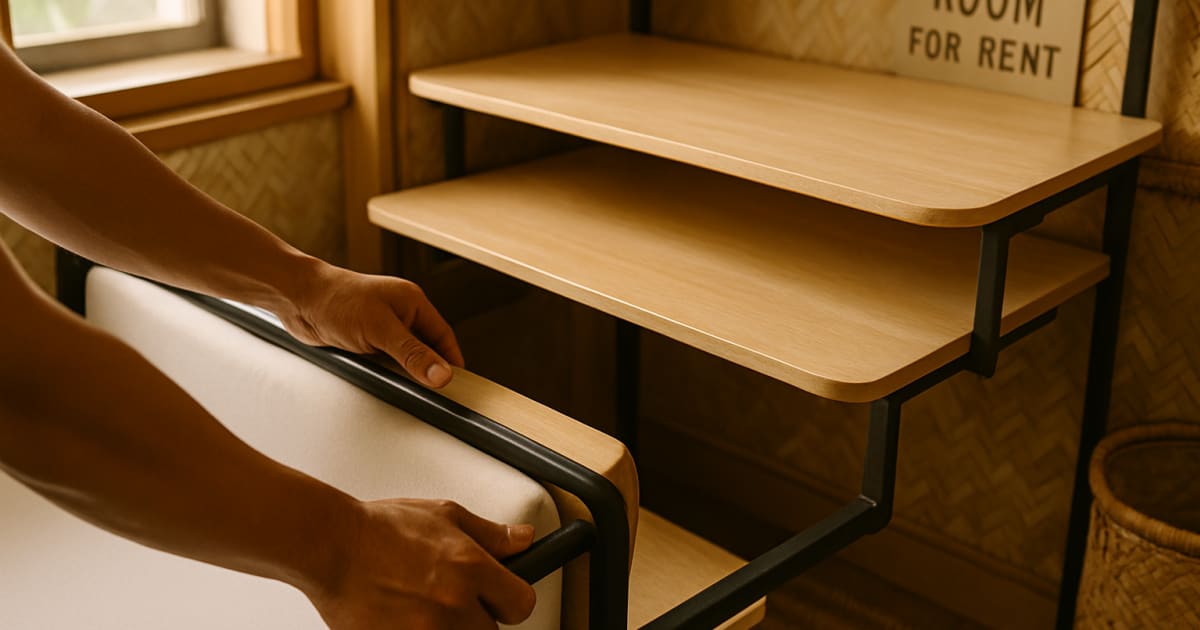
Understanding the Importance of Boarding House Design
In the bustling cities and towns of the Philippines, boarding houses are a popular accommodation choice for students and workers. Creating an effective boarding house design can significantly impact your business success. The right design maximizes space, ensures comfort, and meets the needs of tenants, thus attracting more customers and increasing occupancy rates.
Thoughtful boarding house design also helps in managing operational costs. By optimizing energy use and reducing maintenance needs, small business owners can improve profitability. Moreover, a well-designed space enhances tenant satisfaction, which leads to positive word-of-mouth and potentially higher rental income.
For small business owners using platforms like Smapey, integrating design with systems such as the Boarding House Management and Billing System can streamline operations. This holistic approach combines aesthetic appeal with practical functionality, ensuring seamless management and tenant satisfaction.
Space Optimization for Boarding Houses
Space optimization is crucial in boarding house design, especially in densely populated areas of the Philippines where land is scarce. Utilize every square meter efficiently by choosing multi-functional furniture and creating open-plan layouts. This not only makes the space feel larger but also allows for more tenants without compromising comfort.
Consider incorporating built-in storage solutions and modular furniture to adapt to different tenant needs. For example, foldable beds or desks can transform a room from a sleeping area to a study space, catering to students and professionals alike.
Using a platform like Smapey's Boarding House Management System, you can track room occupancy and optimize space allocation. This system enables you to balance tenant numbers with available resources, ensuring that your boarding house operates at peak efficiency.
Creating a Comfortable Environment
A comfortable environment is a key aspect of effective boarding house design. Ensure adequate ventilation and natural light in all rooms to create a pleasant living space. These elements not only improve tenant well-being but also reduce reliance on artificial lighting and air conditioning, cutting down on energy costs.
Invest in quality mattresses, linens, and furnishings that enhance comfort and durability. Such investments can lead to higher tenant retention as satisfied tenants are less likely to move out. Additionally, regular maintenance and cleanliness should be a priority to maintain a welcoming atmosphere.
Using the Boarding House Business in the Philippines guide offered by Smapey can provide additional insights into creating a tenant-first environment. This guide helps tailor your space to meet the specific expectations of the local market, enhancing tenant satisfaction.
Incorporating Smart Technology
Integrating smart technology into your boarding house design can enhance both tenant experience and operational efficiency. Consider installing keyless entry systems and smart thermostats to offer convenience and security to your tenants. These technologies can also help you manage your property remotely, saving time and resources.
Additionally, providing high-speed internet is essential for modern tenants, especially those who work or study online. Ensure that your boarding house is equipped with reliable Wi-Fi to attract and retain tenants who value connectivity.
Smapey's Boarding House Management System can integrate with smart devices, allowing you to monitor occupancy, control utilities, and manage billing more efficiently. This integration offers a streamlined approach to managing your boarding house, enhancing both tenant satisfaction and business operations.
Designing for Community Spaces
Community spaces are vital in a boarding house as they foster a sense of community among tenants. Design communal areas such as lounges, kitchens, or dining spaces to encourage interaction and create a welcoming environment. Comfortable seating, good lighting, and entertainment options can make these spaces more inviting.
Including a shared kitchen with basic appliances allows tenants to prepare their meals, adding to their comfort and convenience. Consider offering amenities like a small gym or a study area to cater to diverse tenant needs, enhancing the appeal of your boarding house.
For guidance on setting up communal areas, consult the Boarding House Manager Guide by Smapey. It provides valuable tips on creating functional and attractive shared spaces that meet tenant expectations.
Ensuring Safety and Security
Safety and security are paramount in boarding house design. Install CCTV cameras in common areas and ensure that all entry points are secure. Adequate lighting in hallways and entryways can deter unauthorized access and enhance tenant safety.
Implementing a reliable fire safety system is also crucial. Ensure that smoke detectors, fire extinguishers, and emergency exits are easily accessible and well-maintained. Regular safety drills can prepare tenants for emergencies, enhancing overall safety.
Utilize Smapey's management tools to keep track of safety inspections and maintenance schedules. This proactive approach ensures that your boarding house remains a safe and secure environment for all tenants.
Legal Considerations in Boarding House Design
When designing or renovating a boarding house in the Philippines, it's essential to comply with local regulations and zoning laws. Obtain the necessary permits and ensure that your design adheres to the standards set by the local government and barangay.
Consulting with a knowledgeable architect or contractor familiar with Philippine building codes can help you avoid legal pitfalls. Proper documentation and compliance ensure a smooth operation and protect your business from potential legal issues.
Smapey's Boarding House Business Plan Sample Philippines offers insights into the legal aspects of running a boarding house. This resource can guide you through the regulatory landscape, helping you maintain compliance and focus on growing your business.
FAQ
What are the key elements of effective boarding house design?
Effective boarding house design includes optimizing space, ensuring comfort, incorporating smart technology, and providing community spaces. Safety and legal compliance are also crucial. These elements together create a functional, appealing, and efficient environment that meets tenant needs and enhances operational efficiency.
How can I optimize space in my boarding house?
To optimize space in your boarding house, use multi-functional furniture and open-plan layouts. Incorporate modular and built-in storage solutions to maximize available space. Using systems like Smapey's Boarding House Management System can help track occupancy and ensure efficient space utilization.
What technologies can enhance a boarding house?
Smart technologies such as keyless entry systems, smart thermostats, and high-speed internet can significantly enhance a boarding house. These technologies offer convenience, security, and improved tenant experience. Integrating Smapey's management system with smart devices can streamline operations and improve tenant satisfaction.
What legal considerations must I keep in mind for boarding house design?
Legal considerations for boarding house design in the Philippines include compliance with local zoning laws, obtaining necessary permits, and adhering to building codes. Consulting with professionals familiar with local regulations can help ensure compliance. Smapey's resources provide guidance on navigating legal requirements effectively.
Designing a successful boarding house in the Philippines requires a blend of creativity and practicality. By focusing on space optimization, comfort, technology integration, and legal compliance, you can create a thriving business. For more tips and resources, visit Smapey's Boarding House Management System page.
Smapey Team
Community contributor · Published July 22, 2026