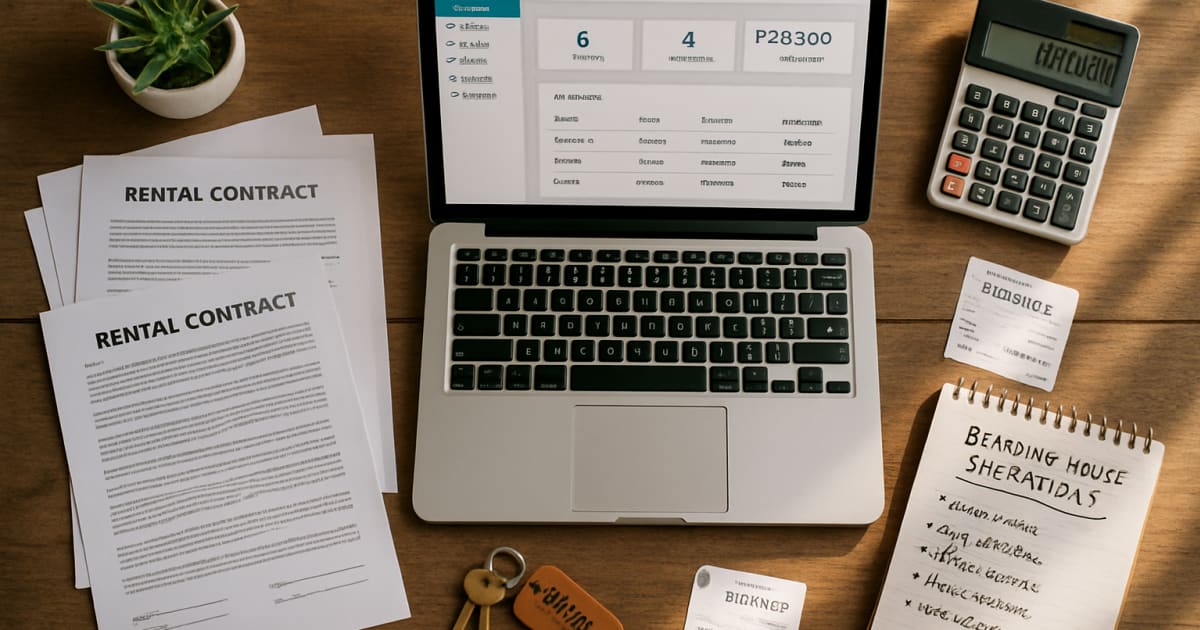
Understanding Boarding Houses in the Philippines
When comparing a boarding house vs apartment in the Philippines, it’s vital to understand the unique features of each. Boarding houses often offer shared facilities like kitchens and bathrooms, making them a cost-effective option for tenants. This setup is particularly popular in bustling urban centers where students and workers seek affordable living arrangements.
Boarding houses are typically managed by landlords who may live on-site, providing tenants with a more personal touch in their living experience. This contrasts with apartments, where property managers or agencies often handle maintenance and tenant issues. For small business owners considering this venture, the management style can be a defining factor.
Running a boarding house requires an efficient system for managing tenants and utilities. Platforms like Smapey offer a comprehensive solution, enabling boarding house owners to streamline operations from rent collection to occupancy tracking.
The Pros and Cons of Apartments
Choosing between a boarding house vs apartment also involves weighing the pros and cons of apartments. Apartments offer private living spaces, which can be a significant draw for tenants seeking privacy. These units typically include private kitchens and bathrooms, offering a more self-contained lifestyle.
However, the cost of renting an apartment is usually higher than that of a boarding house. In areas like Metro Manila, where property prices are steep, this can be a significant consideration for both tenants and landlords. Apartments may also require a higher upfront investment for landlords, affecting their return on investment.
For business owners, managing apartments involves different challenges, such as ensuring maintenance and dealing with longer lease agreements. Understanding these dynamics is crucial for making an informed decision about property investment.
Financial Considerations for Owners
Financially, the boarding house vs apartment decision depends heavily on the initial capital and expected return on investment. Boarding houses generally require less upfront capital compared to apartments, making them a more accessible option for small business owners.
With the increasing popularity of digital payment methods like GCash, managing rental income has become more convenient. Platforms such as Smapey's Billing System integrate these payment solutions, simplifying financial transactions and enhancing tenant satisfaction.
Moreover, boarding houses can offer more flexible pricing models, allowing owners to adjust rates based on demand and competition. This flexibility can be particularly advantageous in fluctuating markets.
Management and Operational Differences
Managing a boarding house involves different strategies compared to an apartment. Boarding houses often require hands-on management due to the communal living setup. This can include tasks such as maintaining shared spaces and handling tenant disputes, which may not be as prevalent in apartment management.
Utilizing a Boarding House Management System can significantly ease these responsibilities. Such systems help landlords track occupancy, manage utilities, and streamline tenant communication from a centralized dashboard.
In contrast, managing apartments might focus more on individual unit maintenance and longer-term tenant relationships, requiring different strategic approaches and tools.
Target Market for Boarding Houses
The target market for boarding houses in the Philippines often includes students, young professionals, and transient workers. These groups typically seek affordable and convenient lodging solutions near educational institutions and business districts.
Understanding the needs of this demographic can help owners tailor their offerings. For instance, providing amenities like Wi-Fi, laundry services, and proximity to public transport can enhance appeal and occupancy rates.
Platforms like Smapey offer insights and tools to help owners cater to their specific market segments effectively, ensuring they meet tenant expectations while optimizing profitability.
Legal and Regulatory Considerations
Operating a boarding house vs apartment also involves navigating different legal and regulatory landscapes. Boarding houses must comply with local barangay regulations, which may include safety standards and tenant rights protections.
For apartments, there may be additional legalities regarding property tax and lease agreements. Property owners must ensure compliance with the National Building Code and other relevant regulations to avoid potential legal issues.
Staying informed about these requirements is essential for property owners. Utilizing management systems that provide guidance on legal compliance can be a valuable asset in maintaining a smooth operation.
Creating a Business Plan
Developing a robust business plan is crucial whether you opt for a boarding house or an apartment venture. This plan should outline your target market, pricing strategy, and operational logistics, providing a clear roadmap for success.
For boarding house owners, leveraging systems like Smapey's Business Plan Sample can offer valuable templates and insights. These resources help in defining strategic objectives and ensuring alignment with market demands.
A well-crafted business plan not only guides your operations but also aids in securing financing and managing investor relations, ensuring a sustainable and profitable business model.
FAQ
What are the main differences between a boarding house and an apartment?
A boarding house typically offers shared amenities like kitchens and bathrooms, whereas an apartment provides private facilities. This fundamental difference influences cost, privacy, and management style, making boarding houses generally more affordable and communal.
How does Smapey assist with boarding house management?
Smapey offers a comprehensive management system that integrates tenant management, billing, and occupancy tracking. This system simplifies operations, making it easier for owners to manage their boarding houses effectively.
Is a boarding house a good investment in the Philippines?
Yes, boarding houses can be a lucrative investment in the Philippines due to their affordability and high demand among students and young professionals. With the right management tools and strategic pricing, owners can maximize their returns.
What legal requirements should boarding house owners be aware of?
Boarding house owners must adhere to local regulations, including safety standards and tenant rights. Compliance with the National Building Code and barangay ordinances is crucial to avoiding legal complications and ensuring smooth operations.
In conclusion, understanding the distinctions between a boarding house vs apartment is essential for property owners in the Philippines. Whether you're managing a boarding house or considering an apartment investment, tools like Smapey can provide the necessary support and guidance. Explore more about our solutions here.
Smapey Team
Community contributor · Published July 22, 2026