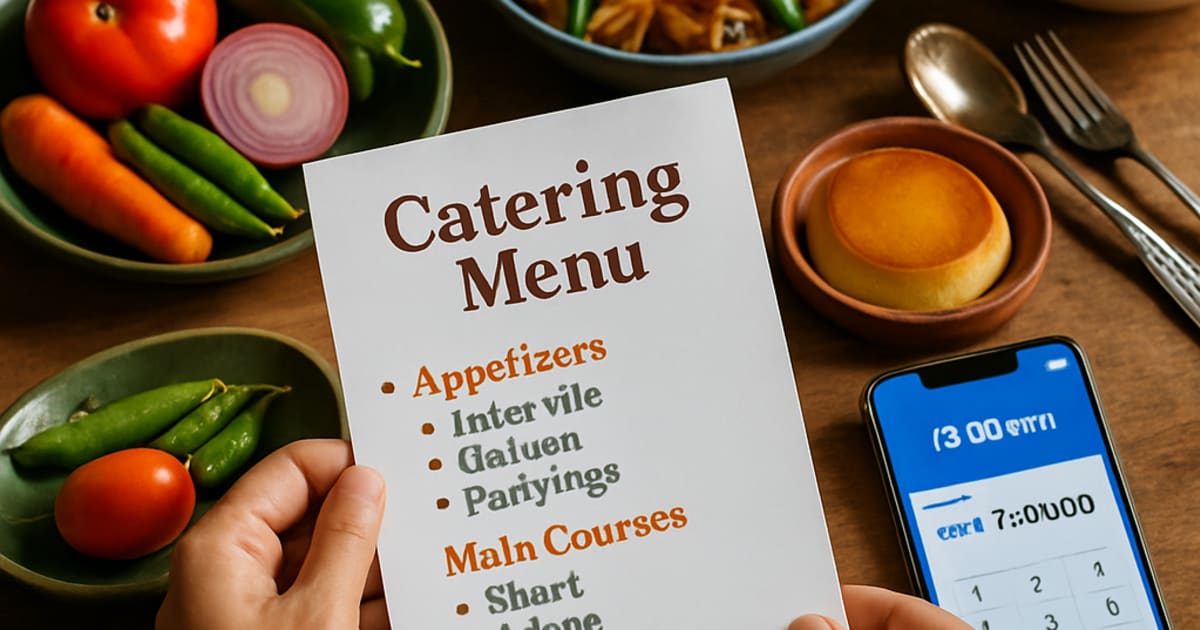
Understanding the Basics of a Catering Business Plan
Creating a business plan for a catering business is a crucial step towards success. This plan serves as a roadmap, guiding you through the various stages of setting up and running your business. In the Philippines, where catering services are in demand for events like weddings and fiestas, having a solid plan is even more important.
Your business plan should cover several key components, such as your target market, menu offerings, pricing strategies, and marketing plans. It should also include detailed financial projections, which will help you understand your potential revenue streams and costs. By outlining these elements clearly, you can make informed decisions and set realistic goals for your catering business.
Moreover, a well-crafted business plan can serve as a valuable tool when seeking funding from banks or investors. It demonstrates your commitment and understanding of the catering industry, increasing your chances of securing financial support. For those new to the business, resources like the Catering Manager Guide can provide additional insights into the planning process.
Defining Your Target Market
Identifying your target market is a fundamental step in creating a business plan for your catering business. In the Philippines, the target market for catering services can vary widely, from corporate clients to private individuals hosting family gatherings. Understanding who your customers are will help you tailor your offerings and marketing strategies to their specific needs.
Consider factors such as location, preferences, and budget when defining your target market. For instance, if you are based in a busy urban area, you might focus on catering to corporate events and office parties. Conversely, in smaller barangays, you might find more opportunities in catering for local weddings and community events.
By clearly defining your target market, you can create a more focused marketing plan. Utilize platforms like GCash for easy payment options, making it convenient for your clients to transact with you. Additionally, knowing your audience helps in customizing your menu, ensuring it appeals to their tastes and preferences.
Creating a Winning Menu
Your menu is the heart of your catering business. Crafting a diverse and appealing menu is essential to attracting and retaining customers. In the Philippines, where food is a central part of any gathering, offering a mix of traditional and modern dishes can set your business apart.
Consider incorporating popular Filipino dishes like adobo, lechon, or pancit, alongside international options to cater to a wider audience. The menu should also reflect your brand's identity and the quality of ingredients you use. Sourcing fresh, local produce can enhance your offerings and support sustainability.
Regularly updating your menu based on customer feedback and market trends can keep your business relevant and competitive. Utilize a Catering Management System to efficiently manage your menu and keep track of inventory, ensuring you always deliver top-notch service.
Structuring Your Financial Plan
Financial planning is a critical part of your business plan. It involves forecasting your expenses, revenues, and profits. For a catering business in the Philippines, common expenses include food costs, staff wages, transportation, and equipment.
Start by estimating your initial capital requirements and potential funding sources. Whether you plan to use personal savings or seek a loan, having a clear financial plan will guide you in managing your resources effectively. Consider using a Catering Manager to streamline billing and payment processes, reducing the risk of errors.
Additionally, set realistic financial goals and regularly review your financial statements to track your progress. This practice will help you identify areas of improvement and make necessary adjustments to ensure your business remains profitable.
Developing a Marketing Strategy
Marketing is essential to the success of your catering business. A well-executed marketing strategy will help you reach potential clients and establish a strong brand presence. In the Philippines, leveraging social media platforms like Facebook and Instagram can be highly effective.
Create engaging content that showcases your dishes and services. Highlight customer testimonials and successful events to build credibility and attract new clients. Don't forget to network with other local businesses and participate in community events to increase your visibility.
Offer promotions or discounts to first-time clients to encourage them to try your services. Word of mouth is powerful in the catering industry, so ensuring a positive customer experience can lead to valuable referrals.
Managing Operations and Logistics
Efficient operations and logistics are vital to the smooth running of your catering business. From handling bookings to managing staff and supplies, every aspect needs careful planning. Implementing a robust system can streamline these processes and enhance your service delivery.
Consider using a Catering Management and Billing System to manage bookings, track payments, and organize your staff schedule. This system can also help in monitoring supply levels, ensuring you never run out of essentials during an event.
Regularly review your operations to identify bottlenecks and areas for improvement. Investing in training for your staff can also enhance their skills and contribute to a more efficient service.
Legal and Compliance Considerations
Compliance with legal and regulatory requirements is crucial for any catering business. Ensuring you have the necessary permits and licenses in place will prevent any legal issues and build trust with your clients.
In the Philippines, this includes securing a business permit from your local barangay and a sanitary permit from the health department. Familiarize yourself with food safety regulations to guarantee that your operations meet the required standards.
Regularly update your knowledge of any changes in regulations to stay compliant. This diligence not only protects your business but also enhances your reputation in the industry.
FAQ
What is the first step in starting a catering business?
The first step in starting a catering business is conducting thorough market research. Understand the demand in your area, identify your target market, and analyze your competition. This information will guide you as you develop your business plan and strategies.
How can I finance my catering business?
Financing your catering business can be achieved through personal savings, loans, or investments. It is essential to have a detailed financial plan to present to potential lenders or investors, showcasing your projected revenues and expenses.
What are the challenges of running a catering business?
Running a catering business involves challenges such as managing logistics, maintaining food quality, and handling customer expectations. Efficient systems and trained staff can help mitigate these challenges, ensuring smooth operations.
How important is customer service in catering?
Customer service is crucial in the catering industry as it directly impacts client satisfaction and retention. Providing excellent service can lead to repeat business and referrals, which are vital for the growth of your catering business.
In conclusion, crafting a comprehensive business plan is essential for the success of your catering venture in the Philippines. With the right strategies and tools, like those offered by Smapey's Catering Manager, you can efficiently manage your operations and achieve your business goals.
Smapey Team
Community contributor · Published July 22, 2026