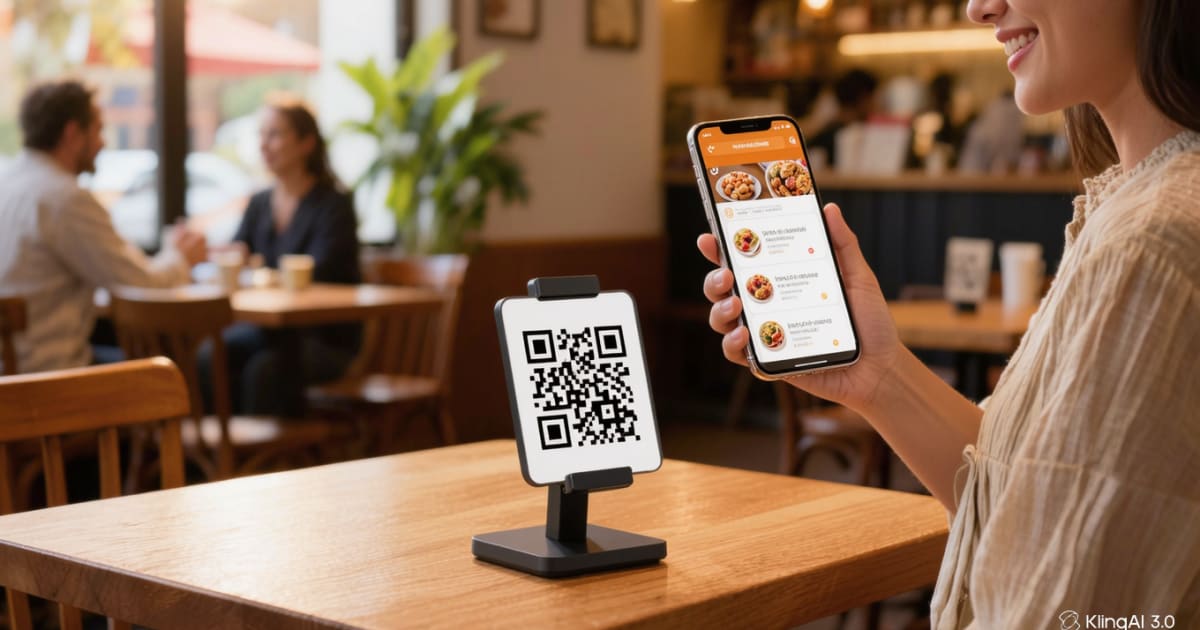
Discover how QR code restaurant ordering is transforming the dining experience in the Philippines — faster service, fewer errors, and happier customers for restaurant owners who make the switch.
Walk into almost any restaurant in Metro Manila, Cebu, or Davao today, and chances are you'll see a small QR code sitting right on your table. Scan it with your phone, and up pops the menu — no waiting for a waiter, no greasy laminated cards. This is the QR code restaurant experience, and it's quietly changing how Filipinos dine.
What Is QR Table Ordering?
QR table ordering is a system where each restaurant table has a unique QR code. When a customer scans it, they're taken to a digital menu where they can browse items, place their order, and sometimes even pay — all from their smartphone. The order goes straight to the kitchen or the POS system, cutting out the back-and-forth between customer and staff.
Why It Works So Well in the Philippines
Filipinos are among the most mobile-savvy people in Southeast Asia. We're comfortable scanning QR codes — we do it every day with GCash and Maya. That familiarity makes QR table ordering a natural fit for the local dining scene. Customers don't need to download an app or create an account. They just scan and order.
For restaurant owners, the benefits are just as compelling. Staff can focus on food delivery and customer experience instead of taking orders. During peak hours — think Sunday lunch rush or holiday dinners — the system keeps everything moving smoothly without the chaos of shouting orders across a busy floor.
Key Benefits for Restaurant Owners
Faster table turnover. When customers can order the moment they sit down without waiting for a server, tables move faster. That means more covers per day and more revenue without adding staff.
Fewer order errors. Miscommunication between customers and waitstaff is one of the most common complaints in dining. With QR ordering, the customer inputs exactly what they want — no mishearing, no wrong items.
Lower labor costs. You don't need as many order-taking staff during busy periods. Your team can be leaner and more focused on hospitality rather than order management.
Easy menu updates. Sold out of lechon kawali? Update the digital menu in seconds. No reprinting, no crossing out items with a pen.
Data on customer behavior. Digital orders give you real data — what's popular, what's not, what time orders peak. This helps you make smarter decisions about your menu and staffing.
What About Customers Who Aren't Tech-Savvy?
This is a real concern for many restaurant owners in the Philippines, especially those serving older customers or those in areas with weaker internet connectivity. The good news is that QR ordering doesn't have to replace your staff entirely. Most restaurants use it as an option — customers who want to order through the QR code can, and those who prefer a human server still get one. It's a complement to your service, not a replacement.
Getting Started: What You Need
Setting up QR table ordering for your restaurant doesn't require a huge investment. Here's what the basic setup looks like:
- A digital menu platform that generates unique QR codes per table
- Printed QR code table cards or stickers (these cost almost nothing)
- A stable Wi-Fi connection for your customers
- A tablet or screen in the kitchen or counter to receive orders
Many small and mid-sized restaurants in the Philippines are already running this setup with minimal cost. The return on investment comes quickly when you factor in reduced order errors and faster service. If you're looking for a simple tool built for Philippine restaurants, Smapey's Restaurant QR Ordering is worth checking out — it's designed specifically for local restaurant owners who want to get started quickly without the complicated setup.
The Future of Dining in PH
QR code restaurant ordering isn't a pandemic trend that faded — it's becoming the new standard. As more Filipino diners grow accustomed to the convenience, restaurants that haven't adopted it yet will start to feel the gap. The question for owners isn't whether to make the switch, but when.
Whether you run a small carinderia, a café, or a full-service restaurant, QR table ordering is one of the most practical technology upgrades you can make today. It's affordable, familiar to Filipino customers, and delivers real results from day one. Get started with Smapey Restaurant and see how easy it is to bring QR table ordering to your business.
Celeste Macaraeg
Community contributor · Published June 4, 2026